What is CoQ10?
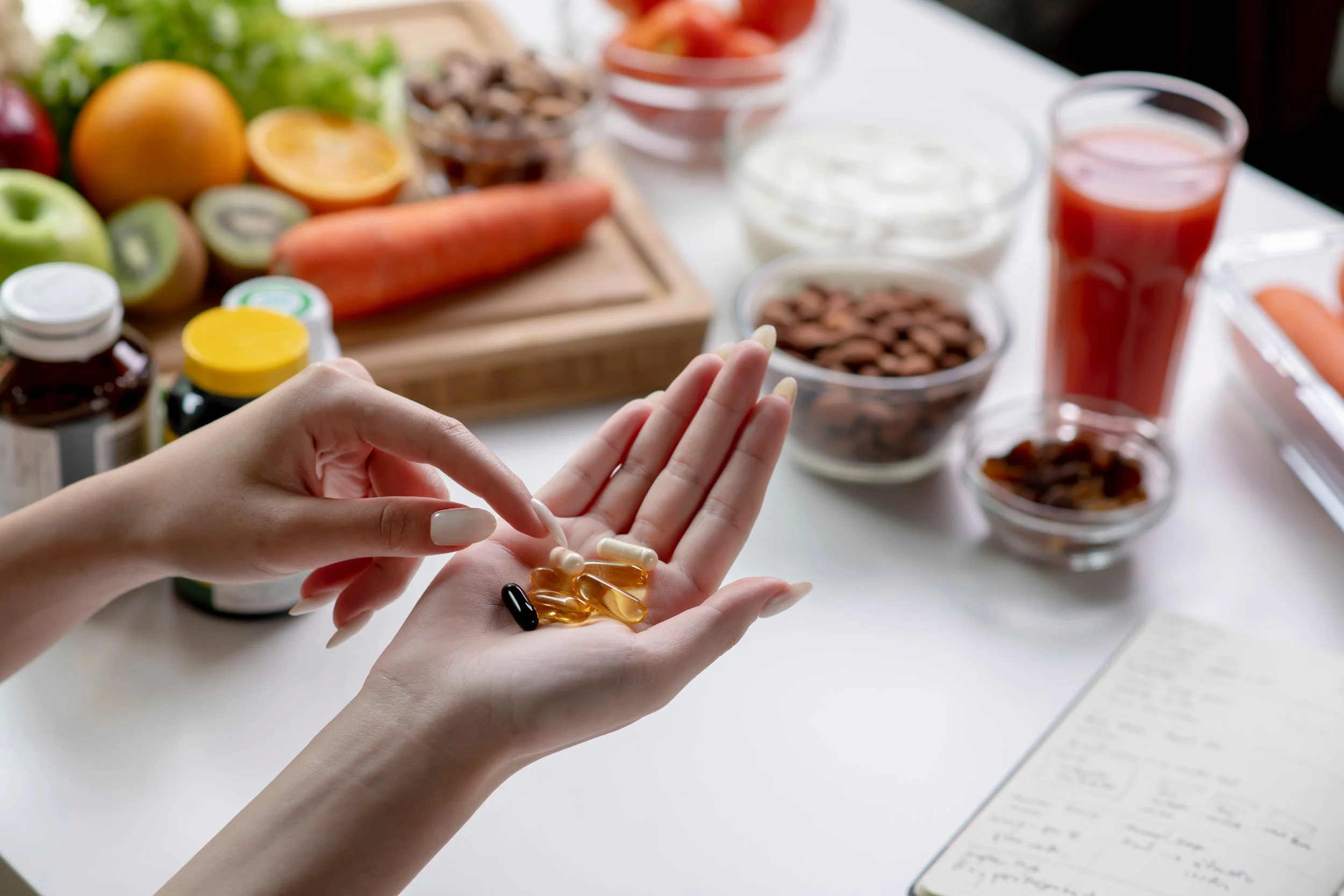
Coenzyme Q10 (often shortened to CoQ10 and pronounced co-Q-ten) is a very common supplement taken not only by women undergoing egg freezing, but for a myriad of different conditions. This agent is not only a popular supplement but is a vital contributor to the way that our cells produce energy and survive. As part of its function, CoQ10 soaks up oxygen free radicals, which are produced during a cell’s daily activity. These free radicals, if not stopped, can damage other molecules and structures in a cell, chiefly DNA and mitochondria.
DNA damage is the central issue behind the degradation and loss of eggs with age.
Every cell in our body accumulates defects in DNA with time. Unlike virtually every other cell in a woman’s body, which gets recycled and replenished over the span of weeks to months, eggs are present throughout a woman’s life. Hence, the chance of DNA damage and abnormal chromosomes (one of the 46 packets of DNA in our cells) increases with a woman’s age.
This decline in the quality and quantity of eggs is the chief reason why egg freezing is so effective. Egg freezing allows a woman to extract numerous eggs in one or more cycles which can be frozen for later use. Using eggs frozen at a younger age typically means a higher chance of pregnancy than if she were to use her eggs at an older age.
What benefits does CoQ10 have on egg freezing?
CoQ10 has been studied extensively in women undergoing stimulation for egg freezing with a generally beneficial effect.
Several retrospective studies have indicated that CoQ10 improves follicle size, follicle number, and the number of mature eggs.
At least one study has even indicated that CoQ10 leads to a greater number of high-quality embryos. The best studies though are randomized, controlled trials (RCTs), and those done on CoQ10 showed improved mitochondrial function and lower rates of chromosomal abnormalities (aka aneuploidy) in women taking the supplement. It should be noted that the majority of these studies looked at older women who are especially vulnerable to aneuploidy in their eggs. While younger women (less than 35 years of age) may still benefit from coenzyme Q10, the data is unclear for this age group.
In general, CoQ10 is a very benign supplement with side-effects typically limited to mild nausea or appetite loss. Furthermore, these side-effects are rare.
The recommended dosage of CoQ10 is 600mg taken for 1-2 months before an egg freezing cycle to achieve the best possible benefit.
Overall, CoQ10 offers significant benefits for egg quality and health. Weighing in the rare and mild side effects, a patient using this supplement before egg freezing definitely stands to gain far, far more than to lose.
Alexander M. Kotlyar, MD, FACOG is a board-certified specialist in Reproductive Endocrinology and Infertility (REI). Dr. Kotlyar completed medical school at Dartmouth and his residency at the Cleveland Clinic. He completed his fellowship at the Yale University School of Medicine, where his research won awards from the ASRM. Throughout his training, Dr. Kotlyar published numerous research articles, review papers, and book chapters on topics as varied as pubertal development, endometriosis and robotic gynecologic surgery.
Learn more about Genesis Fertility and Reproductive Medicine’s egg freezing practice on Freeze.

Answered by Dr. Rashmi Kudesia from CCRM Fertility Houston. Here’s a checklist for before, during, and after your egg freezing consultation, including 11 questions you should ask the doctor.
Answered by Valerie Shafran, MSN, FNP-C from Extend Fertility. Discover why fertility experts urge women to stop taking GLP-1 agonists before an egg freezing cycle.
Answered by Dr. Nidhee Sachdev from South Coast Fertility Specialists. Explore what AMH tells us about a woman’s ovarian reserve or how many eggs she has left.
Answered by Dr. Hade from Generation Next Fertility. Understand how egg freezing does not cause long-term weight gain yet there is a chance of transient bloating.
Answered by Dr. Joshua Klein from Extend Fertility. Learn how birth control relates to egg freezing and if you will need to stop your hormonal birth control before starting the procedure.
Answered by Dr. Jesse Hade from Generation Next Fertility. Discover the important factors that affect chances of egg freezing success in your late thirties.
Answered by Dr. Katharina Spies from Vida Fertility. Learn about who should consider supplements before and during fertility preservation, and how supplements could support your egg freezing cycle.
Answered by Dr. Serin Seckin from Generation Next Fertility. Understand the key differences to help you make an informed decision that aligns with your personal and reproductive goals.
Answered by Dr. Ido Feferkorn from the Reproductive Medicine Group. Learn how Polycystic Ovarian Syndrome (PCOS) may affect the egg freezing process and outcomes of fertility preservation.
Answered by Dr. Meera Shah from Nova IVF. Understand the potential risks of egg freezing to help you evaluate if it is right for you.
Answered by Dr. Hade from Generation Next Fertility. Learn from start to finish the entire process of what happens on the final day of an egg freezing cycle.
Answered by Dr. Sahar M. Stephens from Northern California Fertility Medical Center. Understand the probability of pregnancy based on the number of eggs frozen and the age at which you freeze.
Answered by Dr. Alison Peck from HRC Fertility. Discover which medications are commonly used for ovarian stimulation during an egg freezing cycle.
Answered by Dr. Kathryn Snow from Piedmont Reproductive Endocrinology Group (PREG). Understand the side effects that you may experience when freezing your eggs.
Answered by Lia Schiller, MSN, AGNP-BC from Extend Fertility. Learn why IUDs can stay in place throughout the egg freezing process.
Answered by Dr. Woo from HRC Fertility. Learn how some medications need to be stopped for an egg freezing cycle while some medications can be continued.
Answered by Dr. Dan Nayot from The Fertility Partners. Learn how artificial intelligence is providing women with more information than ever before about their eggs.
Answered by Dr. Joshua Klein from Extend Fertility. Egg freezing doesn’t impact your chance of getting pregnant naturally, because egg freezing makes use of eggs that would otherwise have been lost.
Answered by Dr. Dan Nayot from The Fertility Partners. Understand the distinction between egg quantity and quality, and explore how AI is transforming egg quality analysis.
Answered by Dr. David E. Tourgeman from HRC Fertility. Understand what options exist for what to do with your frozen eggs if you decide not to use them for IVF.
Answered by Dr. Armando Hernandez-Rey from Conceptions Florida. Learn about minimal stimulation egg freezing cycles and how they can decrease the risk of ovarian hyperstimulation syndrome.
Answered by Dr. Ido Feferkorn from the Reproductive Medicine Group. Find out how egg freezing medications work and how protocols can be adjusted if you can’t take estrogen.
Answered by Dr. Ido Feferkorn from Reproductive Medicine Group. Learn how egg freezing fits into the menstrual cycle and how timing can be customized.
Answered by Dr. Elena Santiago from Vida Fertility. Understand the ins and outs of egg freezing in Spain as a non-resident, including timing, costs, and more.
As of January 2025, the average cost to freeze your eggs in the USA is $14,364 for one cycle. But it can be thousands less, or thousands more. We researched 330+ US clinics to bring you the most comprehensive review of egg freezing pricing, ever.
Answered by Dr. Alexander Kotlyar from Genesis Fertility. Learn how CoQ10 works, its benefits for reproductive health, and why it might be a valuable addition to your egg freezing journey.
Answered by Dr. Nidhee Sachdev from South Coast Fertility Specialists. Understand why the short answer is indefinitely and explore the other factors to consider.
Answered by Dr. Nidhee Sachdev from South Coast Fertility Specialists. Discover the various options available to you after freezing your eggs and learn the process in which embryos can be created from them.
Whether you’re relocating and prefer to have your eggs close for possible future IVF or need to send them to a long-term storage facility, you may need to arrange the shipping of your frozen eggs. By understanding the various options, timelines, costs, and potential risks, you can make the best decision for your current budget and future goals.
Answered by Dr. Allison Peck from HRC Fertility. Find out how endometriosis can impact the egg freezing process and success.