While egg freezing can be an exciting and empowering experience, the decision making and cycle itself can also be inherently stressful. The process of freezing your eggs is time-intensive, physically demanding, and the results are outside of your direct control. Below are tips to help support your mental well-being during preparation, throughout the cycle, and after your egg retrieval to help, especially if you have a history of anxiety.
Lean on your care team.
Uncertainty can naturally increase anxiety, and the egg freezing process introduces many new variables, including medications, timing, side effects, and more. Your fertility clinic should provide you with a nurse or a primary point of contact for questions, and you should never hesitate to reach out. Your care team would always prefer that you ask them directly rather than rely on the internet, where information may be inaccurate, misleading or just not relevant to your situation. There are many different protocols and many individual medical factors that shape an egg freezing cycle, so there is truly no one-size-fits-all approach. This is especially true when it comes to the medications, which can feel unfamiliar and confusing. When in doubt, ask. There are no “silly” questions. Your fertility care team wants to support and guide you through every step.
Plan the timing of your egg freezing cycle.
If you have flexibility in the timing of your egg freezing cycle, it can be helpful to plan for a period of the year when your work and social commitments are lighter. Egg freezing involves multiple monitoring appointments, daily self-injections, at least one day off from work for the retrieval, and the possibility of side effects and recovery time. Managing all of this alongside a very full schedule can feel overwhelming.
If you have the luxury of being selective about when you freeze your eggs, use it to your advantage. Avoid overcommitting your social and work schedule during the two-week cycle, and do not underestimate the time, energy, and rest the egg freezing process may require. Most importantly, be gentle with yourself during this period. You may have brain fog, you may feel slower than your typical pace and you may be tired. These are completely normal feelings. Treat yourself how you would treat your friend who was going through a medical procedure: take it easy on yourself.
Use social media only to your advantage, not your disadvantage.
Social media allows women to see the egg freezing process through the experiences of others, which can be very helpful in normalizing the journey and offering insight into what to expect. However, it’s important to remember that social media reflects only what people choose to share. This often means you may see either the best experiences or the most difficult ones, rather than the full spectrum.
Every egg freezing cycle is a unique medical experience. Just because someone else had complications, or an exceptionally smooth process, does not mean your experience will be the same. While it can be useful to familiarize yourself with the procedure, it’s also important to check in with yourself. If your anxiety about side effects or cycle outcomes is increasing based on what you are seeing online, it may be time to take a step back. Use social media as a reference point, not a predictor.
Fuel your body.
Use this time to nourish yourself with balanced, nutritious food. Your body is actively growing and maturing eggs during this process, and your daily food and movement choices help support this important work. Vitamin D has been associated with improved fertility outcomes, whether obtained through supplements or diet. Foods rich in antioxidants such as berries and açaí are often encouraged by clinics as part of a fertility-supportive diet. Many fertility clinics may also recommend certain supplements (like CoQ10) in preparation for and during an egg freezing cycle, based on your individual needs and health conditions.
It is also recommended to limit processed foods and added sugars. Choosing whole, minimally processed foods and staying hydrated can also help make some side effects like bloating and fatigue much more manageable.
Consume caffeine in moderation (1 cup of coffee per day). Avoid alcohol during your cycle to reduce overall inflammation. While you may be used to using cannabis to help with anxiety, cannabis is not recommended leading up to and during your egg freezing cycle. In a recent study in Nature, researchers found that THC exposure is associated with reduced egg quality, reflected in cellular abnormalities in the eggs.
Prioritize adequate sleep (8-9 hours a night) and give yourself permission to rest. After all your body is growing multiple eggs and needs the rest and sleep to grow them. An egg freezing cycle is not the time to train for a marathon, take on extra projects at work, or overload your social calendar. Allow time and space for recovery and listen to your body.
Move your body (but gently).
High-impact, intense exercise and movements involving deep twisting are typically discouraged toward the end of an egg freezing cycle because of the increased (though still rare) risk of ovarian torsion, a sudden twisting of the ovary that cuts off its blood supply and causes severe pelvic pain. This does not mean you should avoid physical activity. Gentle movement is both safe and encouraged as it can help combat bloating and fatigue.
Walking is a great option. Consider calling a friend and going for a stroll while you catch up. An hour can pass quickly as you reconnect, giving you both support and connection during the egg freezing cycle and an hour of exercise at the same time. A friend who has gone through the process herself, or is considering it, can make an even greater companion, as you can talk through what you are going through with an expert or with someone who is interested in learning more.
Share with others (if you can).
Consider sharing your plans with trusted friends, family members, or even your workplace if you feel comfortable doing so. People can offer the most meaningful support when they understand what you are going through. That said, not everyone chooses to share this journey with family, certain friends, or at work, and that is understandable. If you do have the opportunity to share with people you trust, it can help reduce the anxiety that sometimes comes with carrying something alone or in secret.
If you anticipate judgment, unhelpful comments, or added stress, you are not obligated to disclose anything. Support can also come from other sources, including online forums and groups of women who are actively going through egg freezing cycles. These communities can offer understanding, validation, and reassurance from people who truly relate to the experience.
Tell your doctor or psychiatrist.
If you are on a daily medication for anxiety, such as an selective serotonin reuptake inhibitor (SSRI) such as sertraline (Zoloft), fluoxetine (Prozac), paroxetine (Paxil), citalopram (Celexa), escitalopram (Lexapro), or fluvoxamine (Luvox), or a serotonin–norepinephrine reuptake inhibitor (SNRI) such as venlafaxine (Effexor XR), desvenlafaxine (Pristiq), or duloxetine (Cymbalta), be sure to inform the healthcare provider who prescribes this medication for you (such as a psychiatrist or primary care provider) as early as you consider or decide to freeze your eggs.
Because the egg freezing process involves significant hormonal changes that may affect mental health, it is important that your healthcare team is aware of your plans early on. Many women have concerns about remaining on an SSRI or SNRI during an egg freezing cycle. While these medications are generally allowed and safe, whether to proceed with an egg freezing cycle while on them is a highly individualized decision that should be made collaboratively between you and the provider who prescribes your anti-anxiety medications based on your specific mental health history and treatment needs.
If you do not currently have a psychiatrist and would like to work with someone who understands the intersection of hormones, women’s health, and mental health, consider seeking out a perinatal or reproductive psychiatrist (a doctor with specialized fellowship training on this subspecialty) or a Physician Assistant (PA) or Nurse Practitioner (NP) with a focus on women’s health and/or reproductive psychiatry.
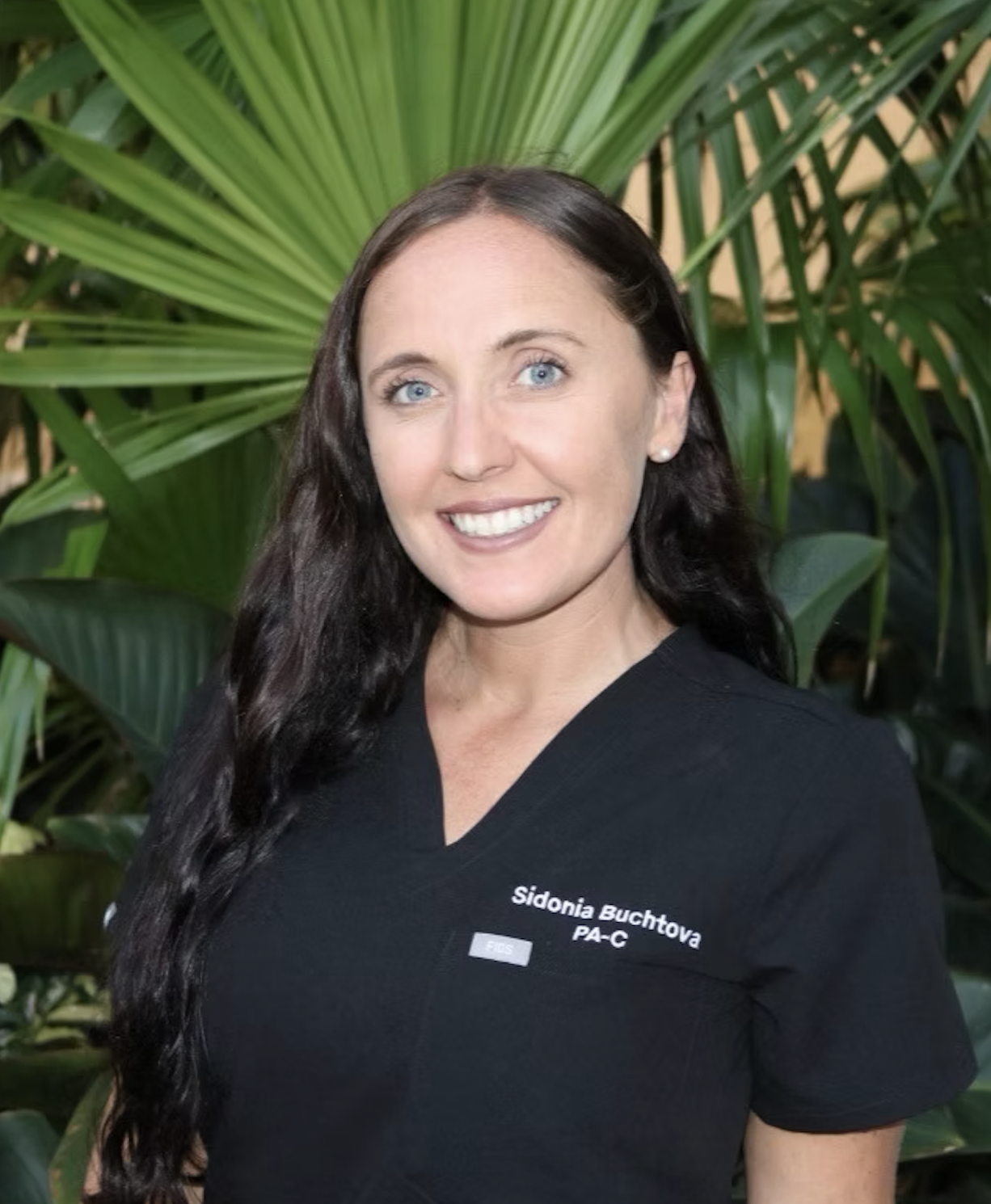
Sidonia Buchtova PA-C, C-RHI is a Physician Assistant specializing in women's mental health and reproductive psychiatry. She provides comprehensive care through medication management, nutritional and supplement guidance, and psychotherapy. Her work is rooted in the interplay between hormones and mental health. She cares for patients navigating family planning, pregnancy, and the postpartum period, and treats a range of conditions including PMDD, eating disorders, and sexual dysfunction.
Learn about her practice with Refresh Psychiatry.