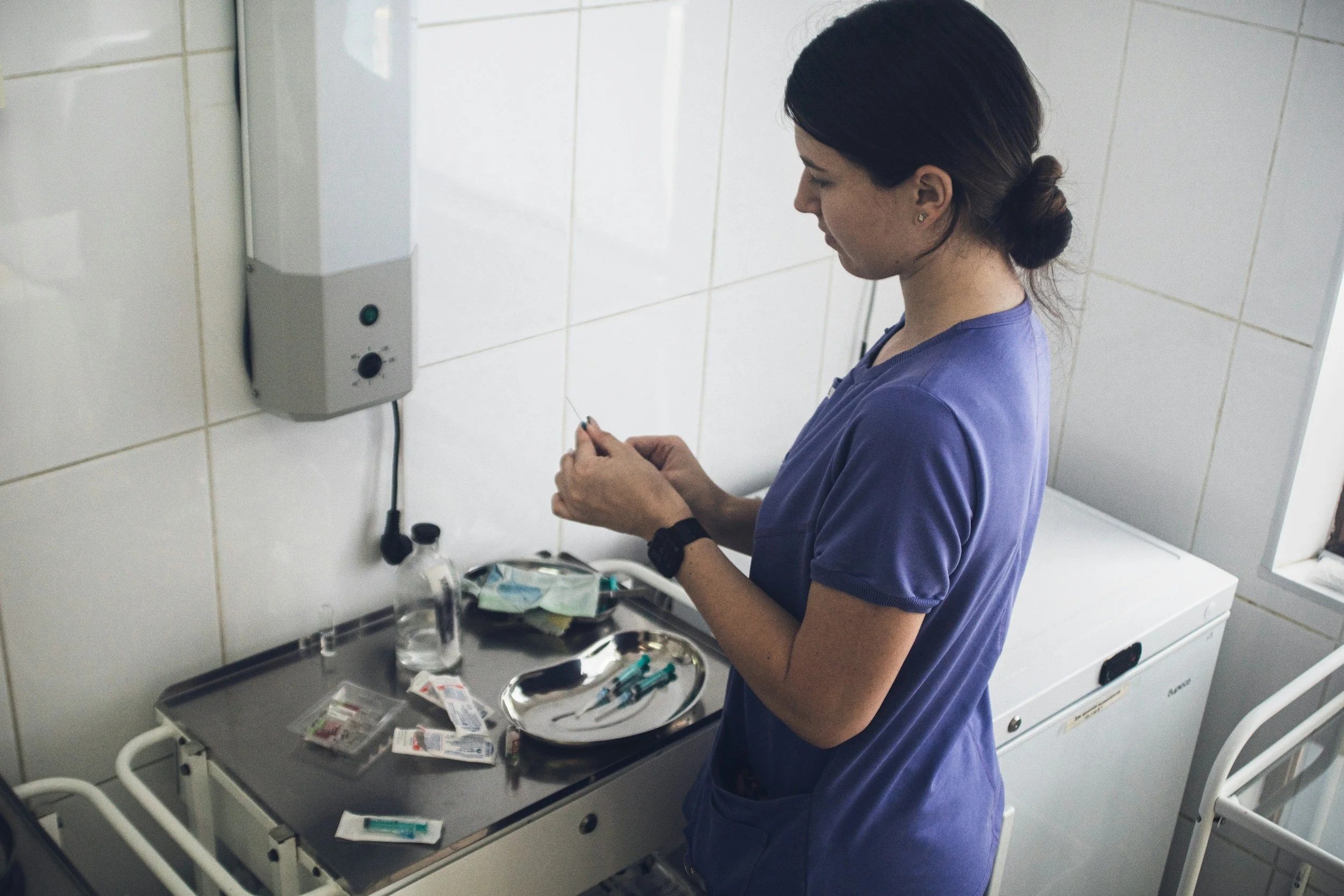
If you’ve had surgery for endometriosis or ovarian cysts, you may be wondering whether that will affect your ability to freeze eggs. These are common questions, so let’s talk about what really matters.
Does endometriosis surgery affect ovarian reserve?
Endometriosis is a condition where tissue similar to the uterine lining grows outside the uterus, often on the ovaries, fallopian tubes, and pelvic surfaces. It can cause pain and sometimes infertility. Interestingly, the severity of pain does not always match the degree of inflammation or fertility impact. Some people with severe pain conceive easily, while others with mild symptoms struggle.
When endometriosis forms cysts on the ovaries called endometriomas, surgery may be recommended to relieve symptoms or improve fertility. The tricky part is that removing endometriomas can reduce ovarian reserve (the number of healthy eggs in the ovaries) because some normal ovarian tissue is removed along with the cyst wall, even by expert surgeons. Research shows that anti-Mullerian hormone (AMH), a marker of ovarian reserve, can drop by 30-50% after endometrioma surgery, especially if both ovaries are involved or if you’ve had more than one surgery (1).
So, what’s the best timing for egg freezing?
In most cases, freezing eggs before surgery gives you the best chance to retrieve more eggs. The main exception is if the cyst is physically blocking access to the follicles (where the egg develops) during retrieval. Your doctor will assess this with an ultrasound.
How does having a history of ovarian cysts (and potentially surgery) impact the egg freezing process?
Cysts are common, and most are harmless. But when you’re considering egg freezing, the type of cyst and location matter.
Simple vs. Complex Cysts
Simple cysts (fluid-filled) usually don’t interfere. They’re incredibly common and often resolve on their own. If they’re present during stimulation, your doctor can often work around them or even drain them during retrieval. Many people never experience symptoms, and these cysts are often found incidentally during imaging.
Complex cysts, like endometriomas or dermoid cysts (which contain solid components or other tissue), are different. They contain old blood or tissue, and puncturing them during retrieval can increase the risk of pain or infection.
If a cyst sits in a spot on your ovary that blocks access to healthy follicles, the egg retrieval can be difficult or unsafe. In that case, surgery to remove the cyst might come first. But if the cyst is off to the side and not in the way, you can usually proceed with an egg freezing cycle without surgery.
What if I’ve had surgery on my ovaries before?
Past surgery for cysts can lower ovarian reserve because some healthy tissue is removed along with the cyst. This might mean:
Having lower AMH or fewer follicles seen on ultrasound
Requiring higher medication doses needed during stimulation
Possibly needing more than one cycle to reach your egg storage goals
What if I have a history of ovarian cysts but no surgery?
If you had cysts in the past that resolved on their own and did not require surgery, that history alone does not affect your ovarian reserve or the egg freezing process. What matters most is your current ovarian health, which your doctor will check with bloodwork and ultrasound before starting an egg freezing cycle.
In summary, endometriosis surgery can reduce ovarian reserve, so freezing eggs first is usually ideal. Ovarian cyst type and location matter: simple cysts rarely cause issues, but endometriomas and dermoids can. A past history of cysts that resolved without surgery generally has no impact on egg freezing. Your doctor will guide you based on your ultrasound and hormone levels.
Sources
1. Younis JS, Shapso N, Ben-Sira Y, Nelson SM, Izhaki I. Endometrioma surgery-a systematic review and meta-analysis of the effect on antral follicle count and anti-Müllerian hormone. Am J Obstet Gynecol. 2022 Jan;226(1):33-51.e7. doi:10.1016/j.ajog.2021.06.102.
Dr. Roy Handelsman, MD, FACOG is a reproductive endocrinology and infertility specialist at HRC Fertility in Encino and Westlake Village, CA. He earned his medical degree at the University of Miami, completed his residency in Obstetrics and Gynecology at Cedars-Sinai Medical Center, and his fellowship in Reproductive Endocrinology and Infertility at the University of Pittsburgh Magee-Womens Hospital. He is passionate about combining technical expertise with a deeply human approach to patient care. He has special interests in advanced reproductive technologies, fertility preservation, and treating recurrent pregnancy loss.
Learn about HRC Fertility’s egg freezing practice on Freeze.