Short Answer: For Most Patients, Yes
For most patients, the short answer is yes. You can usually continue taking a selective serotonin reuptake inhibitor (SSRI) such as sertraline (Zoloft), fluoxetine (Prozac), paroxetine (Paxil), citalopram (Celexa), escitalopram (Lexapro), or fluvoxamine (Luvox), or a serotonin–norepinephrine reuptake inhibitor (SNRI) such as venlafaxine (Effexor XR), desvenlafaxine (Pristiq), or duloxetine (Cymbalta) during an egg freezing cycle. Continuing a previously prescribed SSRI or SNRI when you are freezing your eggs is generally safe and not prohibited.
What information supports SSRI and SNRI being safe in egg freezing cycles?
Although researchers haven’t directly studied how these medications affect egg freezing cycles, we do have a large body of evidence on SSRI and SNRIs used in IVF. This is helpful because egg freezing is essentially the first half of an IVF cycle. The ovaries are stimulated with the same medication with the goal of growing multiple eggs, and the retrieval procedure is identical. The only difference is that in egg freezing, the eggs are frozen instead of being fertilized with sperm, made into embryos and transferred to the patient in IVF.
Right now, there are no robust studies looking specifically at the impact of SSRIs or SNRIs on egg freezing outcomes. That means we do not have definitive data on whether these medications influence egg quality or future pregnancy success from frozen eggs. However, because IVF has been performed for decades, we have much more information on SSRI and SNRI use during IVF cycles and during pregnancy. Since egg freezing mirrors the stimulation and retrieval phase of IVF, clinicians generally rely on this IVF data when making recommendations. Overall, the existing evidence supports continuing SSRIs or SNRIs when they are medically necessary during an egg freezing cycle.
Why may recommendations on SSRIs or SNRIs differ for egg retrievals for IVF vs. egg retrievals for fertility preservation?
Medical recommendations regarding SSRI and SNRI use may differ for women undergoing an egg retrieval for IVF versus an egg retrieval for egg freezing, because patients pursuing IVF typically have the immediate goal of achieving pregnancy in the near term. When speaking with your healthcare provider who prescribes your SSRI or SNRI, it is important to clearly communicate that you are preserving your fertility and that you do not plan to use the eggs for pregnancy in the short term.
Many non–fertility-focused healthcare providers are less familiar with egg freezing in the context of fertility preservation for proactive reasons. This distinction is critical, as some healthcare providers may hear “egg retrieval” and assume that the goal is an imminent pregnancy. Clearly differentiating between IVF for immediate conception and egg freezing for future use of the eggs helps ensure that medication recommendations are appropriately tailored to your reproductive timeline.
Should I stay on my SSRI during my egg freezing cycle?
The bigger question is often: “Should I stay on my SSRI during my egg freezing cycle?” This is a highly personal decision and one that should be made in close partnership with you and your healthcare provider who prescribes your medication. Because SSRIs and SNRIs are used for many different conditions, there is no single universal answer that applies to everyone.
It is not recommended to stop your SSRI or SNRI abruptly or right before an egg freezing cycle begins. Depending on why the medication was prescribed, discontinuation may increase the risk of symptom relapse or withdrawal at a time when emotional stability is especially important. While egg freezing can be exciting and empowering, it is also inherently stressful. The process is time-intensive, physically demanding, and outcomes are often outside of your direct control. (Check out some tips to help manage anxiety during an egg freezing cycle).
For individuals whose mental health symptoms are closely tied to hormonal fluctuations, such as those with premenstrual dysphoric disorder (PMDD) or luteal-phase depression, it is particularly important to inform your healthcare provider who prescribes your SSRI or SNRI as soon as you begin considering egg freezing. Together, you can anticipate how the hormonal changes of a stimulation cycle may interact with your mental health and develop a plan that prioritizes both emotional stability and reproductive goals.
Who should I consult?
Because not all physicians and psychiatry healthcare providers are formally trained in reproductive hormones or fertility-treatment protocols, patients may benefit from consulting with a psychiatrist trained in perinatal psychiatry or reproductive psychiatry (a physician with specialized fellowship training) or a psych Physician Assistant (PA) or Nurse Practitioner (NP) with a focus on women’s health and/or reproductive psychiatry.
Ultimately, the most effective approach is individualized, collaborative care developed among you, your healthcare provider who prescribes the SSRI or SNRI, and your fertility specialist to support both your mental health and reproductive goals. Even if you are only considering egg freezing in the future, it is valuable to begin these conversations early with your healthcare team so you can feel informed, supported, and prepared.
Sources:
Hernandez-Nieto, Carlos et al. “Embryo aneuploidy is not impacted by selective serotonin reuptake inhibitor exposure.” Fertility and sterility vol. 108,6 (2017): 973-979. doi:10.1016/j.fertnstert.2017.08.040
Friedman, Brooke E et al. “Effect of selective serotonin reuptake inhibitors on in vitro fertilization outcome.” Fertility and sterility vol. 92,4 (2009): 1312-1314. doi:10.1016/j.fertnstert.2009.03.060
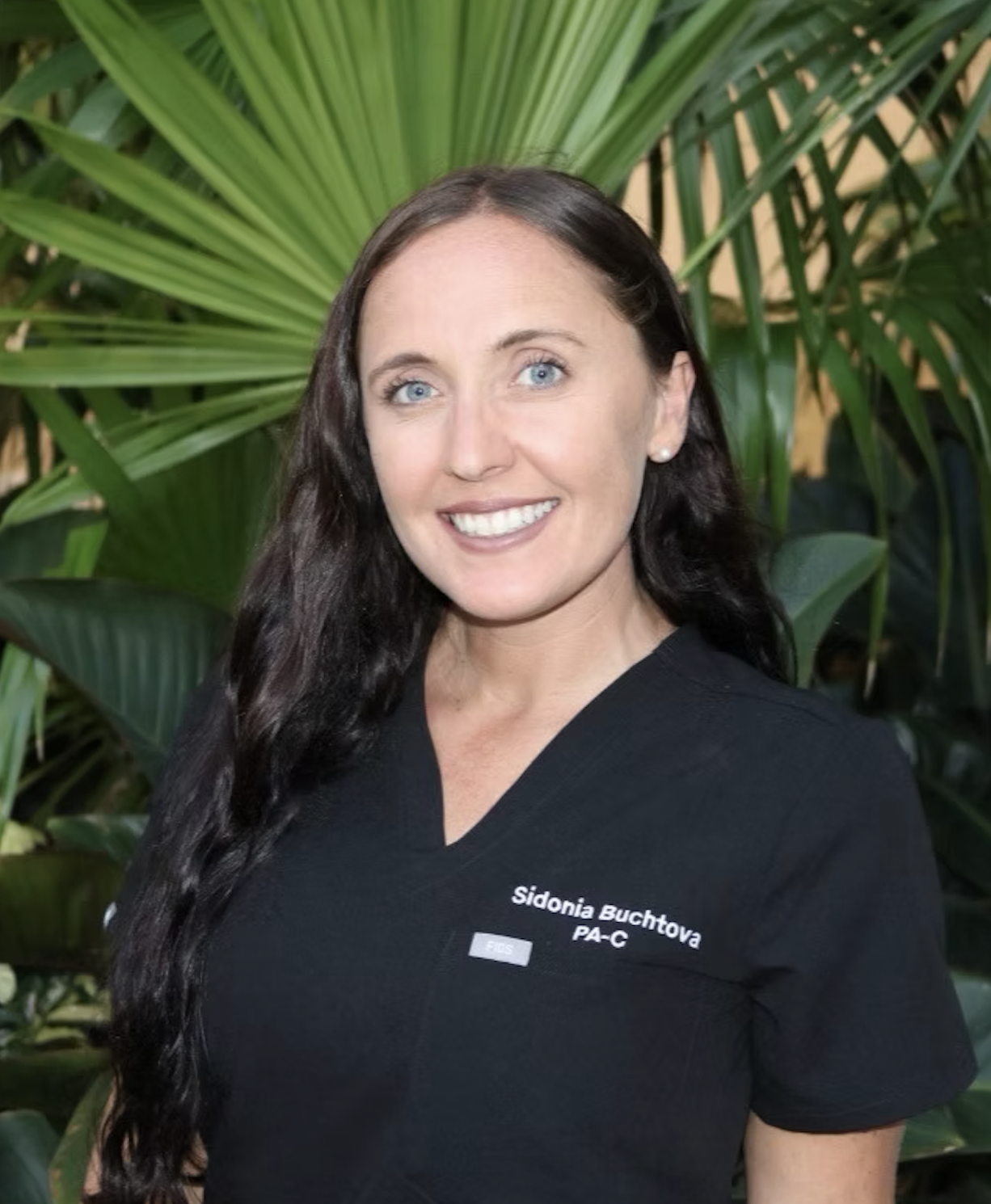
Sidonia Buchtova PA-C, C-RHI is a Physician Assistant specializing in women's mental health and reproductive psychiatry. She provides comprehensive care through medication management, nutritional and supplement guidance, and psychotherapy. Her work is rooted in the interplay between hormones and mental health. She cares for patients navigating family planning, pregnancy, and the postpartum period, and treats a range of conditions including PMDD, eating disorders, and sexual dysfunction.
Learn about her practice with Refresh Psychiatry.