
For fertility clinics looking to grow their egg freezing practice, improving access is not only about clinical excellence. It is about meeting patients where they are, and increasingly, that means ditching phone call-only communication models.
Egg freezing patients are busy, proactive, and digitally fluent. Many are managing demanding careers, travel, and personal responsibilities. For this group of women, calling a clinic, waiting on hold, or playing phone tag is often a deterrent rather than encouraging them to book a consult.
Calling Is Friction, Not Connection
Traditionally, clinics have relied on phone calls as the primary entry point for new patients. For elective egg freezing patients, this approach creates unnecessary friction early in the journey. Requiring a phone call to ask basic questions or schedule an appointment can lead to:
Delayed outreach or complete drop off
Missed connections due to work schedules
Frustration before a patient ever speaks with a provider
Importantly, reducing phone dependence does not mean removing human connection. It simply means moving administrative steps to channels that better fit communication preferences.
Asynchronous Communication Matches How Patients Live
Allowing women to schedule appointments online, email the clinic, or communicate via text creates a more favorable experience. These channels support asynchronous communication, enabling patients to engage on their own time rather than during limited business hours.
For many egg freezing patients, this flexibility is critical. The ability to book an appointment at night, ask a question between meetings, or respond without stepping away from work removes barriers that phone calls introduce.
Millennials and Generation Z consistently show a preference for digital, no phone dependent customer experiences. Healthcare is not an exception. Fertility care should reflect the same expectations patients have in other areas of their lives.
Digital Access Improves, Not Replaces, Live Care
It is important to distinguish between administrative access and clinical connection. Text, email, and online scheduling are not meant to replace meaningful patient provider interactions. Instead, they streamline pre and post visit communication so that when patients do engage live, whether via telehealth or in person, the conversation is more focused, informed, and productive.
Trust and connection are built during consultations and treatment discussions. They are not built while waiting on hold.
What the Data Shows
Through Freeze.health, more than 150,000 women have compared egg freezing options over the past nine years. Across this data, one pattern is consistent. Patients gravitate toward clinics that make it easy to engage.
Ease of access includes:
Clear information available online
Transparent pricing or pricing ranges
Simple, digital first scheduling and communication
Clinics that reduce friction at the top of the funnel see more qualified inquiries and more prepared consultations.
Examples of Fertility Clinics with Non-Phone Booking Methods


A snapshot from Kindbody’s website to book an egg freezing consult


A snapshot from Adore Fertility’s website to book an egg freezing consult
Why This Matters for Clinics
Egg freezing patients are often paying out of pocket and making deliberate, thoughtful decisions. When access feels difficult or outdated, patients assume the clinical experience that follows may be the same.
Offering digital communication options signals that a clinic values patient time, understands modern expectations, and is invested in creating a supportive experience from the very first interaction.
A Better First Step Into Care
Ditching the phone does not mean eliminating it entirely. It means recognizing that phone calls should not be the only way to make an appointment.
By allowing patients to schedule online, email questions, or communicate via text, fertility clinics remove unnecessary barriers and create a smoother path to the moments that matter most, including the consult, the conversation and the overall care.
At Freeze.health, we help fertility clinics and brands understand how egg freezing patients actually behave, not how we assume they behave. The takeaway is simple. When access is easier and not a phone call, more women take the first step.
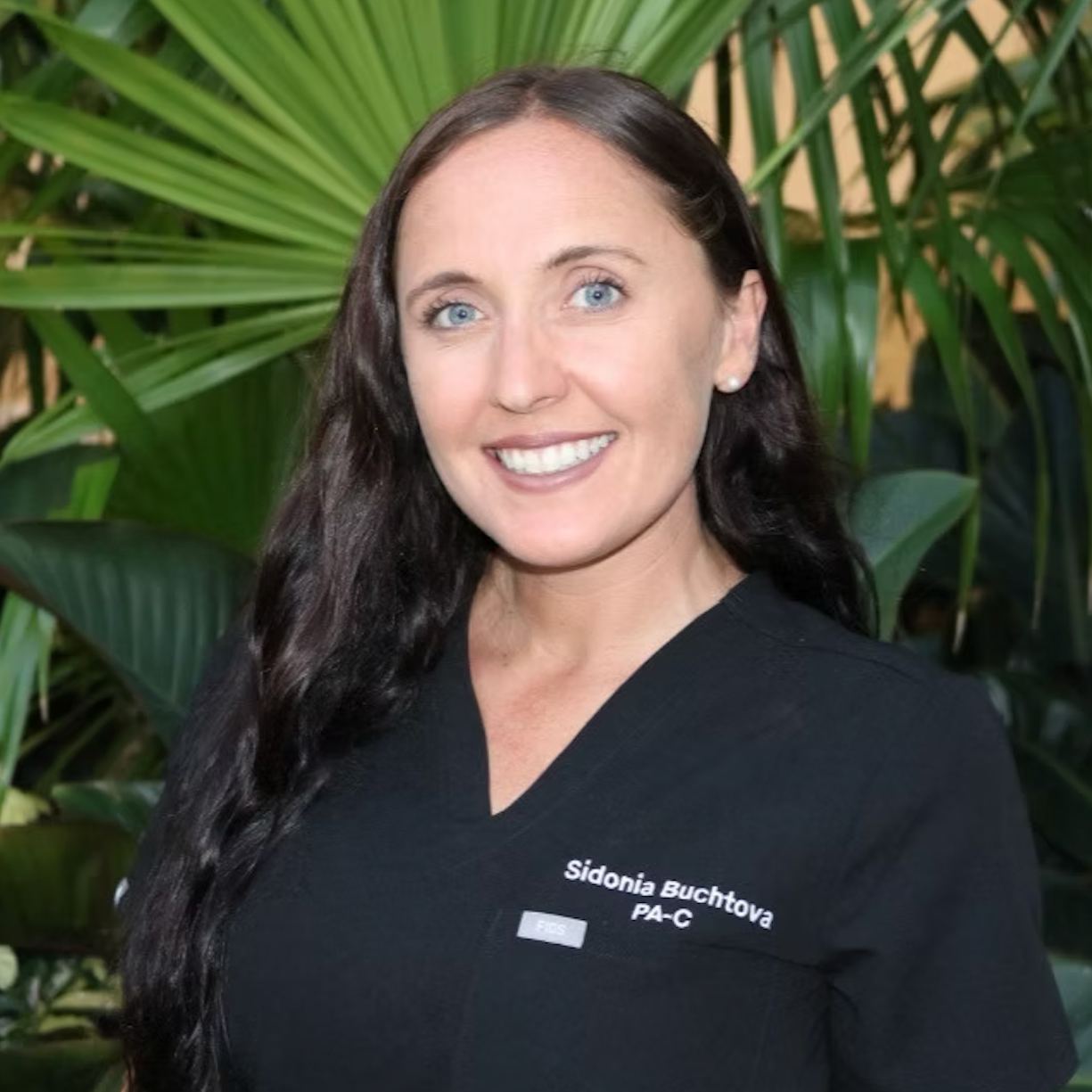
Sidonia Buchtova PA-C, C-RHI is a co-founder of Freeze Health and a Physician Assistant specializing in women’s health and reproductive psychiatry. Her own personal experience of comparing egg freezing clinics led her and her co-founder to create and launch Freeze Health - a free resource that has helped 150,000+ women decide if, when and where to freeze their eggs.