The honest answer? Maybe - but the science is more nuanced than a simple yes or no.
Egg quality is largely determined by age and genetics, and no supplement or lifestyle change can completely override that biology. But that doesn't mean you're powerless, and it definitely doesn't mean the conversation ends there.
While the science is still evolving, research suggests that certain supplements and lifestyle factors may help support egg health and create a better environment for egg development.
Here's what the evidence actually shows.
CoQ10
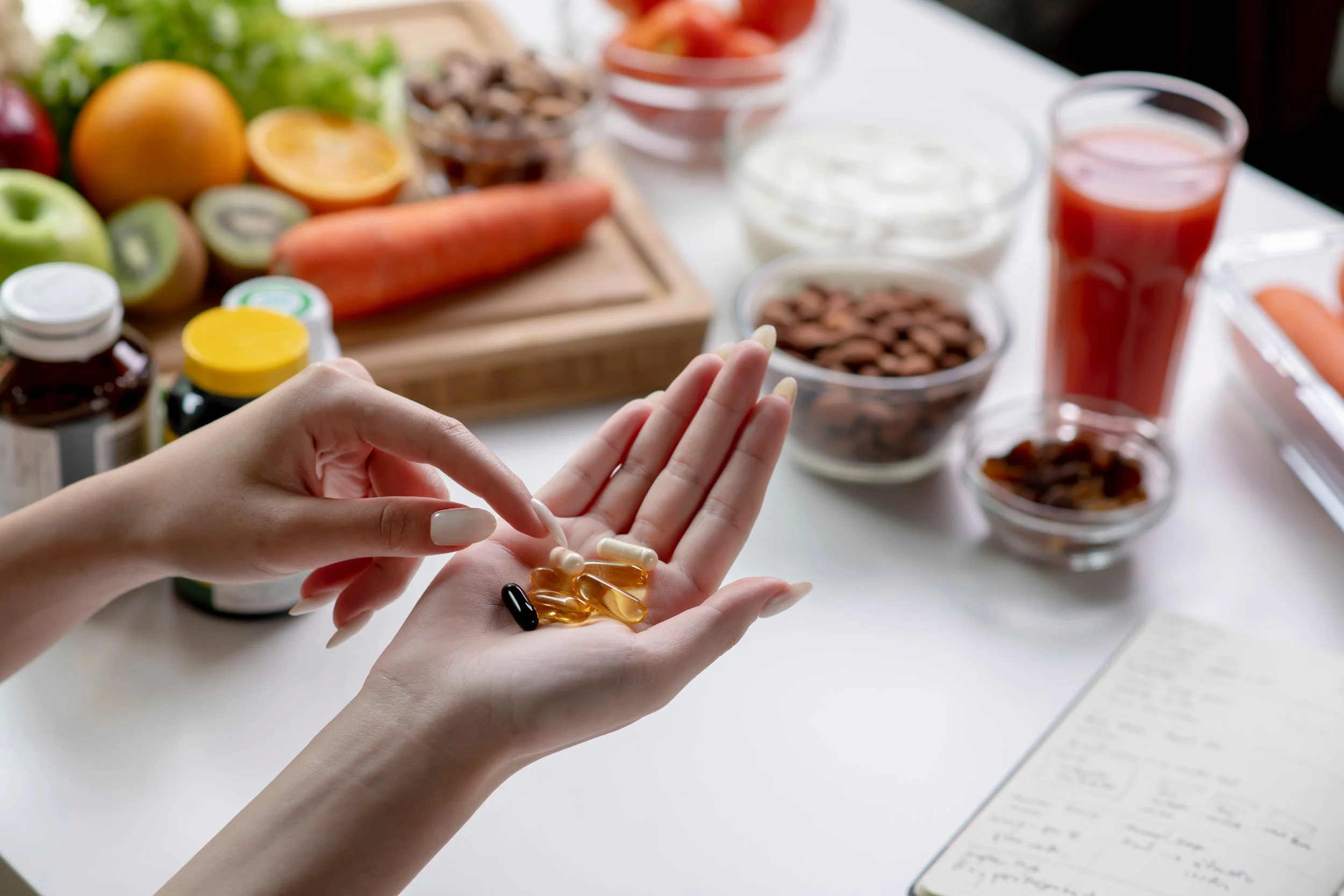
CoQ10 is one of the most studied supplements in reproductive medicine. It may improve mitochondrial function, which is important because mitochondria are the energy-producing structures inside cells.
This matters because eggs are among the most energy-demanding cells in the body. As we age - particularly after age 35 - mitochondrial efficiency naturally declines. While the research isn't definitive, the evidence is promising enough that many reproductive endocrinologists routinely recommend CoQ10 to patients trying to optimize fertility.
NAD+
NAD+ is one of the most exciting areas of fertility research right now.
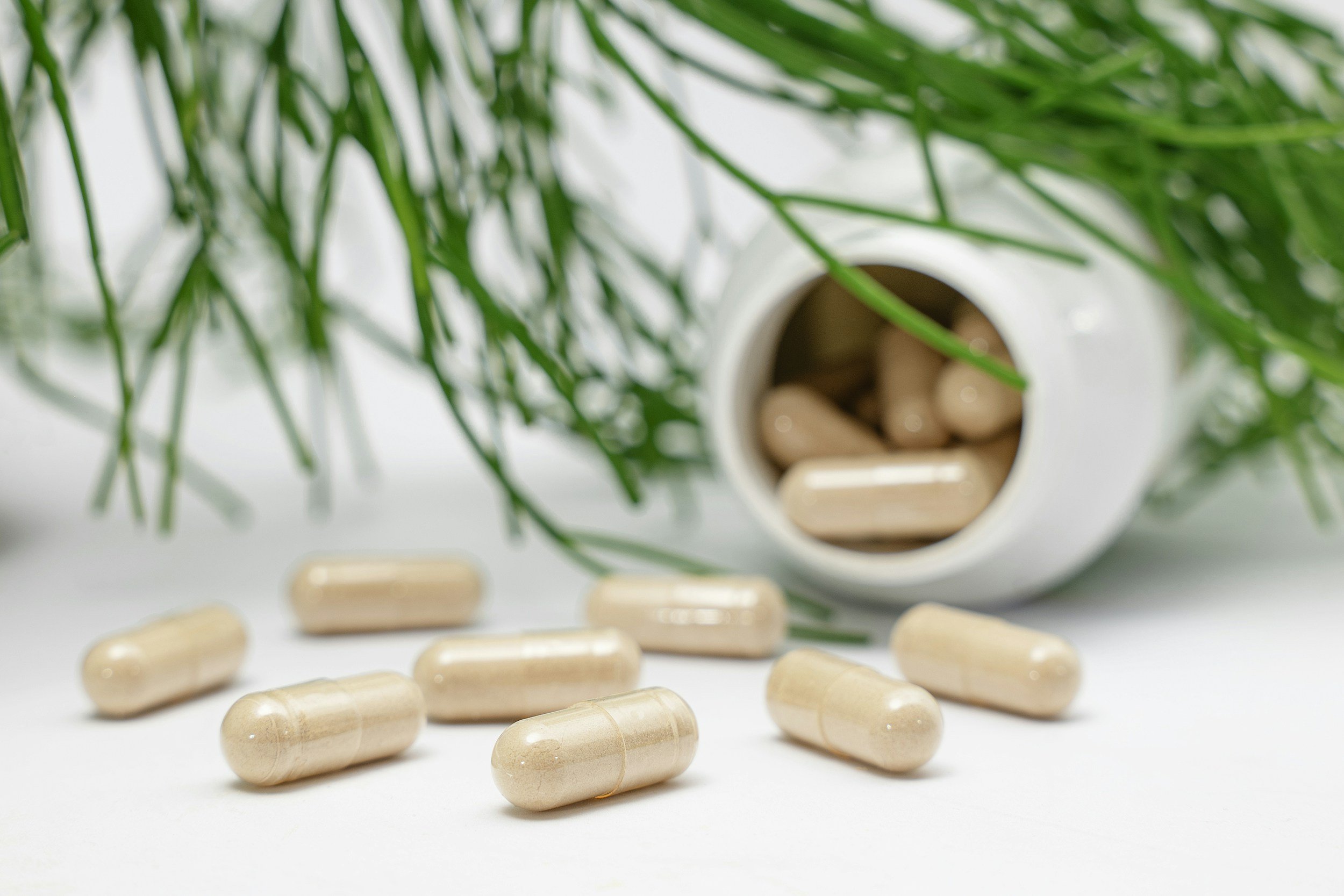
Levels of NAD+ in the ovaries decline significantly with age - by as much as 50–70% in some studies - and this decline appears to directly affect egg quality. NAD+ plays a key role in both energy production and DNA repair, two processes that are essential for healthy eggs.
The most commonly studied ways to increase NAD+ are through supplements such as NMN (nicotinamide mononucleotide) and NR (nicotinamide riboside). Researchers are currently investigating whether daily NMN supplementation can improve IVF outcomes, but more human data is still needed.
Myo-Inositol
Myo-inositol is another supplement with a growing body of evidence behind it.
It plays an important role in the signaling pathways involved in egg maturation and has been shown to improve mature egg rates and fertilization rates, particularly in women with PMOS (polyendocrine metabolic ovarian syndrome, previously known as PCOS or polycystic ovary syndrome).
Research also suggests that myo-inositol may reduce the amount of gonadotropins - the hormones used during ovarian stimulation - needed during fertility treatment, which is a meaningful clinical benefit.
Melatonin
Most people think of melatonin as a sleep supplement, but it may also have fertility benefits.
Melatonin is a powerful antioxidant, and studies suggest that taking 3 mg daily may help improve egg quality, especially when combined with myo-inositol for several months before IVF.
Why does this matter? Oxidative stress is one of the major contributors to age-related declines in egg quality, and melatonin may help reduce that stress directly within the ovarian follicles where eggs develop.
Alcohol
Alcohol is an often-overlooked factor when it comes to fertility.
Even moderate alcohol consumption has been associated with lower ovarian reserve markers and reduced IVF success rates in some studies. Reducing alcohol intake is one of the most actionable lifestyle changes people can make when preparing for pregnancy or egg freezing, something most people don’t realize until they are deep into a fertility workup.
Sleep, Stress, and Metabolic Health

Sleep and chronic stress may play a larger role in fertility than many people realize.
Chronic stress can disrupt cortisol regulation, which in turn affects the hypothalamic-pituitary-ovarian (HPO) axis - the hormone communication network that regulates ovulation and reproductive function. When this system is under constant strain, egg development may be affected.
Blood sugar regulation matters, too. Insulin resistance, even before it progresses to diabetes, can alter the ovarian environment where eggs mature. This is one reason metabolic health and fertility are more closely connected than most people realize.
What Doesn't Work?
One area that deserves skepticism is the growing market of generic “fertility supplements.”
Many contain ingredients with little evidence behind them, use ineffective doses, or lack rigorous quality control. They're often marketed to people looking for answers during a stressful time, which makes it especially important to separate marketing claims from scientific evidence.
Here's the part that changes how many people think about fertility: the eggs you'll ovulate or retrieve approximately three months from now are developing today.
Egg development takes about 90 days, which means the choices you make now can influence the environment those eggs mature in over the coming months.
You can't reverse your biological age, and no supplement can guarantee better egg quality. But emerging research suggests that targeted lifestyle changes and evidence-based interventions may help support reproductive health and optimize the eggs you have.
The science is still evolving - but it's increasingly clear that while age matters, it's not the only factor that matters.
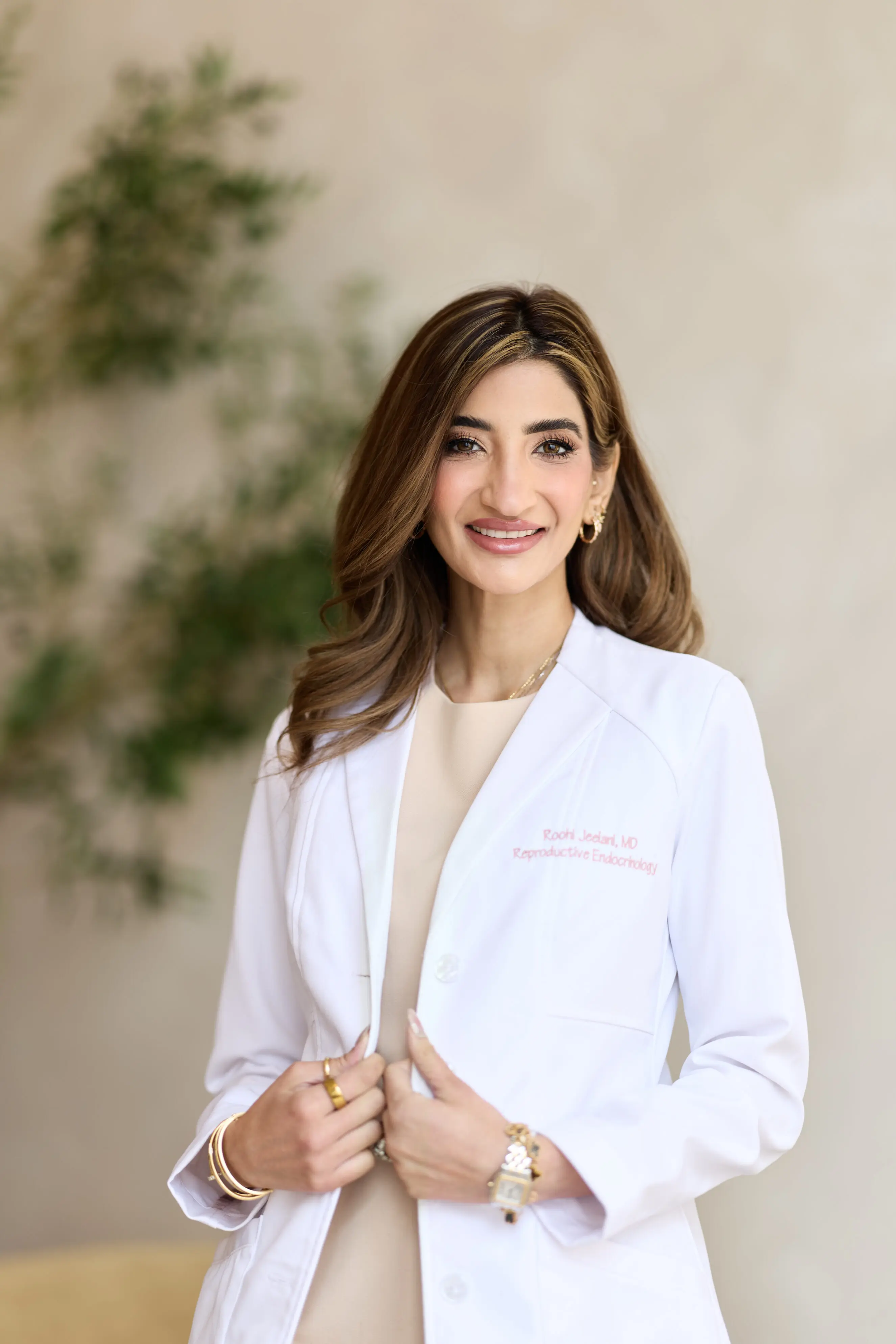
Dr. Roohi Jeelani is a double board-certified reproductive endocrinologist and infertility specialist who combines clinical expertise with personal experience as a fertility patient living with PMOS. She is dedicated to providing personalized, evidence-based fertility care that supports both reproductive success and long-term health. As the Founder and CEO of Onto Health, she is focused on expanding access to high-quality care and empowering patients throughout their family-building journey.
Learn more about Onto Health on Freeze.